


POD vs Storage Unit: Which Option Is Better for Your Move?
When you’re planning a move, one of the biggest questions that comes up is pod vs storage unit. At first glance, they seem similar. Both give you a place to keep your belongings during a transition. But once you look closer, there are some important differences.
If you’re trying to decide between pod vs storage unit options, or you’ve been comparing units vs pods online and feeling more confused than clear, you’re not alone. We’ve helped families in Southeast Florida make this decision for generations. Since 1923, U & Me Moving and Storage has worked with homeowners, retirees, growing families, and business owners who all needed practical storage solutions .
Let’s walk through this together in plain terms so you can figure out what fits your move.
What Is a POD?
A POD, short for portable on-demand storage, is a large container delivered to your home. It sits in your driveway or curbside. You load it at your own pace. Once you’re finished, the company either stores it at their facility or transports it to your new address.
Many people like PODs because:
- You can pack gradually
- You don’t have to drive to a storage facility
- You control when you load it
This option works well for short-term transitions, renovations, or moves where the closing dates don’t line up perfectly.
But there’s more to think about.
What Is a Storage Unit?
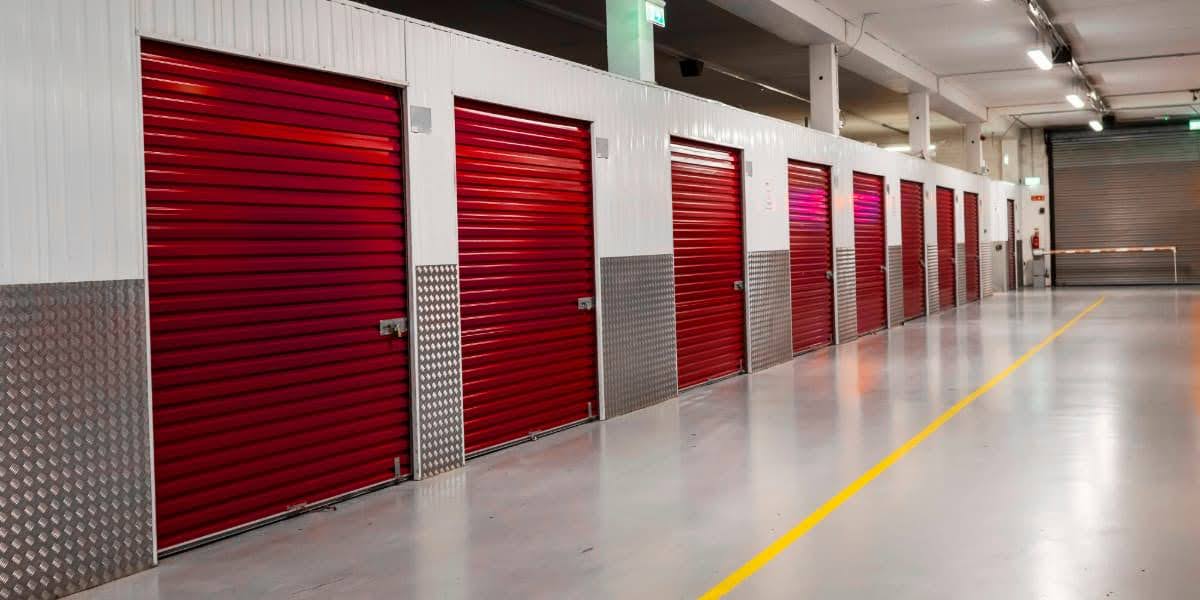
A storage unit is a rented space inside a storage facility where you can keep your belongings for a short time or a long time. Think of it like renting an extra closet or garage, but in a secure building designed for storage.
To use a storage unit, you have two basic options:
- Move your items there yourself using your car, a pickup, or a rental truck
- Hire movers to pick up your items, transport them to the facility, and place everything inside the unit
Storage units come in many sizes. Some are small and meant for a few boxes. Others are big enough to hold the contents of a multi-room home. Many facilities also offer climate-controlled storage, which means the unit stays at a steady temperature and humidity level. In Southeast Florida, that can matter a lot for furniture, paperwork, and electronics.
Common Reasons People Rent a Storage Unit
Storage units are a practical fit in a lot of real-life situations, especially when your move timeline is not perfectly lined up.
People often use storage units for:
- Long-term storage (when you need extra space for months or even years)
- Downsizing (when you’re moving into a smaller home and need time to sort items)
- Storing items during a remodel (so furniture and boxes are out of the work area)
- Business inventory (keeping extra products, supplies, or equipment in one place)
- Estate transitions (when you’re settling a home, managing belongings, or coordinating with family)
What Makes a Storage Unit Different From a POD?
The big difference is where your items live and how they are protected.
With a storage unit:
- Your items are stored inside a facility, usually inside a building
- Many facilities have controlled access, like a gate code or keycard entry
- Security often includes cameras and on-site staff
- Climate-controlled options help protect items from heat and humidity
- You can usually visit your unit during facility hours, so you can grab something you forgot or keep sorting over time
With a POD:
- The container is typically left outside at your home or stored in a warehouse after pickup
- Access may be limited once it’s moved off-site
- Climate control depends on the provider and where the container is stored
Climate-Controlled Storage: Why It Matters
If you’re storing anything that can warp, crack, fade, or grow mildew, climate control is worth considering. In humid areas, moisture can build up inside boxes and furniture fabrics even if you pack carefully.
Climate-controlled units can be a smart choice for:
- Wood furniture (tables, dressers, bed frames)
- Leather, fabric, and upholstered pieces
- Artwork and framed photos
- Musical instruments
- Electronics and TVs
- Important papers and books
- Clothing, especially formalwear and linens
If you’re not sure whether you need climate control, a good rule is this: if you’d be unhappy leaving it in a hot garage for a few months, it probably belongs in a climate-controlled unit.
How Storage Unit Sizes Work
Storage units are usually described by their dimensions, like 5×5 or 10×10. That’s the length and width, and the height is typically around 8 feet, sometimes taller.
Here’s a simple way to think about common sizes:
- 5×5: good for boxes, small furniture, seasonal items
- 5×10: good for a studio apartment or a small room’s worth of items
- 10×10: often fits a one-bedroom apartment
- 10×15: fits a larger apartment or small home
- 10×20: can hold the contents of a multi-room home or large furniture sets
Facilities vary, so sizes are a guide, not a promise. If you want to avoid renting bigger than you need, it helps to create a packing inventory of your larger items and estimate your box count.
What Can You Store in a Storage Unit?
Most household and business items can be stored, but facilities usually have rules to keep the building safe.
Typically allowed:
- Furniture and mattresses (often with guidelines about wrapping)
- Boxes of household goods
- Business inventory and files
- Appliances (cleaned and dry)
- Bikes, strollers, and sports gear
Usually not allowed:
- Food and anything perishable
- Flammable items (gasoline, propane tanks, certain chemicals)
- Anything illegal or unsafe
- Wet items that could cause mold
If you plan to store appliances, make sure they’re fully dry. A little moisture in a closed fridge or washer can create odor and mildew.
Security: How Your Items Are Protected
One reason many people choose storage units is the added security compared to keeping things in a garage or shed.
Many storage facilities include:
- Gated entry with a unique access code
- Security cameras
- Well-lit hallways and aisles
- On-site staff during business hours
- Individual unit locks (you provide your own, or buy one at the facility)
Security features vary, so it’s smart to tour the facility or ask questions before signing a contract.
How to Pack for a Storage Unit (So Your Items Stay in Good Shape)
Packing for storage is different than packing for a move where you unpack right away. You want your items to hold up over time, even if the unit stays closed for months.
A few helpful packing basics:
- Use sturdy boxes, avoid overstuffing them
- Label boxes on two sides so you can find things later
- Put heavier items on the bottom, lighter items on top
- Wrap fragile items with packing paper, not just towels
- Keep furniture off the floor if possible (pallets or risers can help)
- Leave a small walkway so you can access the back of the unit
- Cover furniture with breathable wraps, not plastic that traps moisture
If you’re working with movers, ask for blanket-wrapping and proper padding for wood and glass items. It prevents scratches and helps with stacking.
Questions Readers Often Ask About Storage Units
Do I need a climate-controlled storage unit?
It depends on what you’re storing and how long it will be stored. Climate control is usually a good idea for wood furniture, electronics, artwork, paper documents, and anything that can be damaged by heat or humidity. If your items are valuable or sentimental, climate control is often worth it.
How do I know what size unit I need?
Start by listing your largest items (beds, dressers, couches, dining tables) and estimate how many boxes you’ll have. If you’re storing furniture from multiple rooms, a 10×10 or larger is common. If you’re storing a few boxes and small furniture, a 5×5 or 5×10 may be enough. When in doubt, ask a facility manager or a moving team for a size recommendation based on your inventory.
Can movers deliver items to my storage unit?
Yes. Many people hire movers to transport items to a storage unit, especially for heavy furniture, fragile items, or large loads. Movers can also help with blanket-wrapping, stacking safely, and building an organized layout inside the unit.
How often can I access my storage unit?
Most facilities allow access during business hours. Some offer extended access hours. Access rules vary, so ask about:
- Facility access hours
- Holiday closures
- Whether there are restrictions on moving trucks or large vehicles
What should I not put in a storage unit?
Avoid anything that can attract pests, spoil, leak, or create a fire hazard. That usually includes food, flammables, and items with strong odors. Also avoid storing items that are still wet, like damp rugs or recently washed appliances.
Now that you understand what a storage unit is and why people use them, we can compare storage units and PODs side by side and figure out which option is better for your move.
POD vs Storage Unit: What’s the Real Difference?
Here’s a simple breakdown to help you see how pod vs storage unit options compare:
| Feature | POD | Storage Unit |
| Delivered to your home | Yes | No |
| You load at home | Yes | No |
| Climate-controlled options | Limited | Often available |
| Ongoing access | Limited once stored | Yes, during facility hours |
| Best for short-term use | Yes | Sometimes |
| Best for long-term use | Less common | Very common |
Before committing to either option, it helps to understand what storage units typically cost so you can make a fair comparison against POD pricing.
At first glance, a POD feels more convenient. But convenience isn’t the only factor.
Cost: Units vs Pods Over Time
When comparing units vs pods, cost is usually one of the first concerns.
On average:
- Storage units typically cost between $90 and $180 per month depending on size and climate control.
- PODs often range from $150 to $300 per month, plus delivery and pickup fees.
If you’re storing items for several months, those extra transportation fees can add up.
It’s also important to factor in:
- Climate control
- Insurance or valuation coverage
- How long you’ll realistically need storage
Short-term use might make a POD appealing. Longer storage periods often make traditional units more affordable.
Climate Control Matters in South Florida
Living in Southeast Florida means heat and humidity are real concerns.
High humidity can damage:
- Wood furniture
- Artwork
- Electronics
- Paper documents
- Upholstered items
If you’re storing during hurricane season specifically, preparing your storage for Florida storms adds another layer of planning that’s worth thinking through before you sign a contract.
Many storage facilities offer climate-controlled units. That keeps temperature and humidity levels steady.
Some POD companies store containers indoors once they pick them up. Others store them outdoors. Always ask where your container will be kept.
If you’re storing valuable or sentimental items, climate control should be part of the conversation when weighing pod vs storage unit options.
Access: How Often Will You Need Your Things?
Think about how often you’ll need to get into your stored items.
With a storage unit:
- You can visit during business hours
- You can rearrange boxes
- You can add or remove items anytime
With a POD:
- You have full access while it’s at your home
- Once picked up, access may require scheduling
- Some companies charge extra for access
If you’re downsizing and sorting gradually, a storage unit might give you more flexibility.
Loading and Protection: Who Handles the Heavy Lifting?
This is where many people don’t think ahead.
With a POD:
- You’re responsible for loading it properly
- You must secure furniture so it doesn’t shift
- Weight distribution matters
- Improper loading can lead to damage
With a storage unit:
- Professional movers can blanket-wrap furniture
- Items can be inventoried
- Heavy pieces can be handled safely
- You reduce the risk of strain or injury
Blanket-wrapping, bracing, and careful stacking aren’t just small details. They make a real difference in protecting fragile items.
There are also some common furniture storage mistakes that people run into regardless of whether they choose a POD or a unit, and knowing them ahead of time saves a lot of headaches.
If you’re not comfortable lifting large furniture or loading strategically, a storage unit paired with professional movers often provides better results.
Long-Distance Moves: Does It Change the Decision?
Yes, it can.
If you’re moving across state lines, federal interstate regulations apply. Licensed movers follow strict guidelines, including detailed inventories and valuation coverage options.
PODs can be used for long-distance moves. However:
- Delivery windows may vary
- Timing adjustments can be tricky
- You’re responsible for safe packing
With a moving company that also provides storage, your items can be:
- Picked up professionally
- Stored securely
- Delivered on your confirmed date
- Tracked through an inventory system
That structure helps if closing dates change or if there are delays.
Downsizing After Many Years in One Home
For many of our clients, especially retirees, the decision isn’t just about space. It’s about memories.
If you’ve lived in your home for 20 or 30 years, sorting through belongings takes time .
In these situations:
- You may need short-term storage
- You may want access while deciding what to keep
- Family members might coordinate from another state
- Fragile heirlooms need careful packing
A climate-controlled storage unit managed by experienced movers often makes that transition easier. It allows for organized packing, inventory tracking, and clear communication with family members.
When a POD Might Make Sense
A POD could be the right fit if:
- You’re remodeling and need space cleared quickly
- Your driveway allows container placement
- Your HOA permits it
- You’re comfortable loading on your own
- You don’t need frequent access after pickup
For short-term, flexible use, it can be practical.
When a Storage Unit Is the Better Option
A storage unit may work better if:
- You need climate control
- You plan to store items long term
- You want professional loading
- You expect to visit your items periodically
- You’re moving valuable or fragile pieces
In Southeast Florida’s climate, many homeowners choose storage units simply because of humidity concerns.
Common Mistakes with Units vs Pods
When comparing units vs pods, people sometimes overlook important details.
Here are a few things to watch for:
- Not checking HOA rules before scheduling a POD
- Underestimating how long storage will last
- Skipping climate control
- Forgetting to review valuation coverage
- Not planning how heavy furniture will be loaded safely
A container in your driveway sounds simple until you’re moving a solid wood dining table in July heat.
Questions to Ask Before Choosing
Before deciding on pod vs storage unit options, ask yourself:
- How long will I truly need storage?
- Do I need climate protection?
- Will I need frequent access?
- Who will load and secure heavy furniture?
- What happens if my move date changes?
These answers usually make the choice clearer.
Frequently Asked Questions About POD vs Storage Unit
What is the main difference in pod vs storage unit options?
The main difference in pod vs storage unit solutions is where and how items are stored. A POD is delivered to your home and loaded there. A storage unit requires you to bring items to a facility. Storage units often provide climate control and regular access.
Are units vs pods better for long-term storage?
When comparing units vs pods for long-term use, traditional storage units are often more cost-effective. They also provide consistent indoor protection, especially important in humid climates.
Is a pod vs storage unit safer for furniture?
Safety depends on packing and environment. Climate-controlled storage units help protect wood and fabric. In both pod vs storage unit situations, proper blanket-wrapping and secure loading matter.
Can I access my items easily with units vs pods?
Storage units allow access during facility hours. With units vs pods, once a POD is stored off-site, access may require scheduling and fees.
Does pod vs storage unit affect insurance coverage?
Yes. Each company has different policies. Review valuation coverage carefully and ask questions before signing.
Making the Right POD vs Storage Unit Decision
Choosing between pod vs storage unit options isn’t about which one is trendy. It’s about what fits your timeline, your belongings, and your comfort level.
Some families like the flexibility of loading at home. Others prefer the structure, climate protection, and professional handling that come with a storage facility.
There’s no one-size-fits-all answer. What matters most is understanding how pod vs storage unit choices affect your move from start to finish.
If you’re planning a move in Southeast Florida and want help thinking it through, we’re happy to talk. U & Me Moving and Storage has been serving this community since 1923, helping families make thoughtful decisions about moving and storage. Reach out to learn more about your options or contact us for more information.