



How Movers Handle High Value Items During a Move
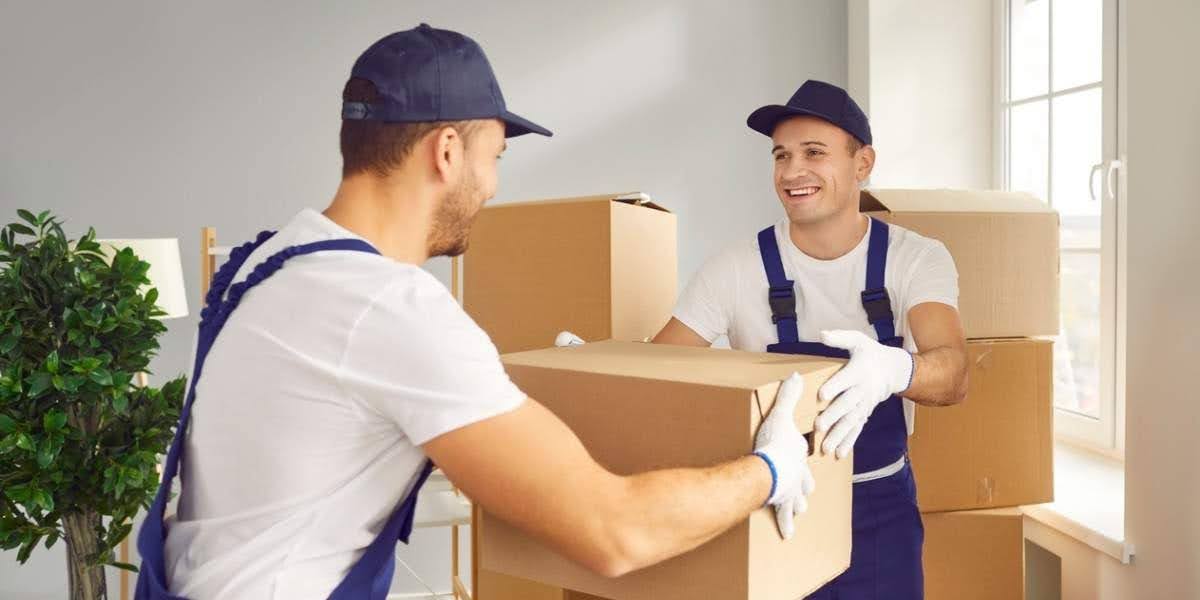
Moving is not just about getting boxes from one place to another. For many people, the biggest concern is protecting high value items that cannot be replaced. These may include antiques, artwork, or family pieces that carry years of meaning.
Many of these belongings are also delicate items, which means they can be damaged by small mistakes like poor packing or sudden movement. That is why experienced movers follow a clear process when handling them.
In this guide, we will walk through how movers handle high value items step by step. You will learn what happens before the move, how items are packed and transported, and what you should expect when working with a company that has done this for generations.
What Are High Value Items During a Move?
Not every item in your home needs the same level of protection during a move. Some things can be packed in standard boxes and moved with routine handling. Others need a much more careful plan. That is where high value items come in.
In moving, high value items are belongings that are expensive, hard to replace, fragile, or especially important to the owner. A moving company may flag these items because they need extra packing, closer tracking, and more careful handling from start to finish.
Many people assume this term only applies to expensive luxury goods. That is not always true. An item can be considered high value because of its price, but it can also fall into this category because it is rare, delicate, or deeply personal.
What makes something a high value item?
Movers usually identify high value items based on a few factors:
- High monetary value, often over $1,000 per item
- Strong sentimental value, such as family heirlooms
- Fragile materials that can chip, crack, or break
- Unusual size, shape, or weight
- Need for custom packing, crating, or extra support
- Sensitivity to heat, humidity, or vibration during transport
This means a high value item could be a large antique dining table, but it could also be a small framed painting, a collectible clock, or a musical instrument.
Common examples of high value items
Some of the most common high value items seen during residential and commercial moves include:
- Fine art and sculptures
- Antique or vintage furniture
- Pianos and other musical instruments
- Glass, marble, or stone tabletops
- Jewelry and collectibles
- Electronics with sensitive internal parts
- Designer furniture
- Wine collections
- Important documents and records
- Decorative pieces with fragile finishes
- Heirlooms passed down through generations
These belongings often need more than standard wrapping and boxing. In many cases, they need a specific handling plan based on their material, age, and condition.
Why High Value Items Need Special Handling
Moving high value items is not just about telling the crew to be extra careful. That may sound like enough, but it is not how real protection works. These items often need a different process from the start because they can be damaged in ways that are not always obvious.
A standard move is built around common household goods like boxes, chairs, dressers, and appliances. That approach works well for many items, but it does not fully account for the risks that come with antiques, artwork, collectibles, instruments, and other belongings with high financial or personal value. These pieces often have fragile materials, older construction, or sensitive parts that need more than basic wrapping and lifting.
That is why high value items need special handling. Proper protection comes from planning, preparation, materials, and technique. When movers use the right process, they lower the risk of damage during packing, carrying, loading, transport, storage, and delivery.
Standard moving methods are not always enough
Many people assume that if an item is wrapped in a blanket and placed carefully on the truck, that should be enough. For some items, it is. For high value items, it usually is not.
Standard moving methods do not always account for:
- Weak joints in older furniture
- Surfaces that scratch, chip, or dent easily
- Internal parts that can shift during transport
- Delicate finishes that react to pressure
- Temperature and humidity changes
- Uneven weight distribution
- Fragile materials like glass, marble, veneer, or fine wood
A modern side table from a retail store may handle a move better than a 100-year-old cabinet. The older piece may look sturdy on the outside, but years of use, age, and previous repairs can make it much more vulnerable than it appears.
Why older furniture is often at greater risk
One of the most common questions people have is, “If the piece has lasted this long, why would moving it be a problem now?”
The answer is simple. Furniture that has stayed in one place for years is not exposed to the same stress as furniture being lifted, tilted, carried, loaded into a truck, and unloaded again.
Older furniture often has:
- Dry wood that is more brittle than it used to be
- Glue joints that have weakened over time
- Legs or arms that are not built to support lifting pressure
- Veneers that can crack or peel
- Decorative elements that loosen with movement
For example, an antique dresser may seem solid when sitting against a wall. But if someone lifts it by the top edge or pulls it from the wrong angle, the frame can twist, the joints can separate, or the finish can crack. That damage may happen in seconds.
Experienced movers know how to support the strongest part of the piece instead of lifting from the most convenient spot.
Surface damage is more common than people think
Many high value items are not damaged by drops. They are damaged by surface contact.
This includes:
- Scratches from rough handling
- Dents from pressure against another item
- Finish damage from plastic wrap applied incorrectly
- Corner chips from hitting door frames or truck walls
- Scuffing during loading and unloading
This is especially important for:
- Fine wood furniture
- Piano finishes
- Glass-top furniture
- Marble surfaces
- Framed art
- Lacquered or polished pieces
A small scratch may not matter much on an everyday item. On a high value piece, even a minor surface mark can affect appearance, resale value, or both.
That is why movers use protective layers such as moving blankets, corner protection, foam padding, and careful spacing inside the truck.
Internal parts can shift even if the outside looks fine
Another reason high value items need special handling is that some damage happens inside the item, not outside it.
This can affect:
- Clocks
- Musical instruments
- Electronics
- Curio cabinets
- Lighting fixtures
- Adjustable furniture
- Decorative pieces with internal supports
For example, a grandfather clock may look untouched on the outside after a move, but internal mechanisms can shift if the piece is not prepared properly. The same can happen with pianos, where internal parts are sensitive to movement, pressure, and climate changes.
This is why movers often secure, remove, or stabilize parts before transport. In some cases, pieces must be partially disassembled so they can travel safely.
Temperature and humidity also matter
People often focus on drops and bumps, but environmental conditions can be just as damaging.
Changes in heat and humidity can affect:
- Wood furniture
- Artwork
- Leather
- Musical instruments
- Electronics
- Paper documents
- Fabrics and rugs
In warm and humid climates like South Florida, moisture in the air can cause swelling, warping, mold growth, or finish damage. Heat can also affect adhesives, coatings, and sensitive materials.
This is one reason some high value items need climate-controlled storage or careful timing during a move. It is not only about how the item is packed. It is also about what the item is exposed to before, during, and after transport.
Why “being careful” is not a complete plan
It is natural to think the answer is simple: just be careful. But careful handling without a real method leaves too much to chance.
Professional movers rely on systems, not guesswork. That includes:
- Identifying high value items before moving day
- Choosing the right packing materials
- Using correct lifting methods
- Deciding whether an item should be wrapped, boxed, or crated
- Placing the item in the right location on the truck
- Monitoring environmental needs during storage or transit
A trained crew does not treat every item the same. That is one of the biggest differences between a routine move and a move that includes high value items.
What special handling usually includes
People often ask what “special handling” actually means. In practice, it may include several added steps depending on the item.
These may include:
- Detailed pre-move inspection
- Separate inventory listing
- Extra padding and wrapping
- Blanket-wrapping for furniture
- Custom crating for fragile or irregular items
- Disassembly of removable parts
- Special lift and carry techniques
- Strategic placement in the truck
- Climate-controlled storage if needed
Not every high value item needs every one of these steps. The right method depends on the size, material, weight, age, and condition of the item.
Why blanket-wrapping matters
Blanket-wrapping is one of the most common protective steps used for high value items, especially furniture.
This method helps protect against:
- Surface scratches
- Abrasion during carrying
- Contact with walls, floors, or truck interiors
- Minor bumps during loading
The blankets are placed carefully around the item and secured so they stay in place. This is different from casually throwing a pad over a chair. Proper blanket-wrapping is tight, structured, and designed to protect vulnerable surfaces and edges.
Why some items need custom crating
Some items need even more protection than moving blankets can provide. That is where custom crating comes in.
Custom crates are often used for:
- Fine art
- Sculptures
- Glass tabletops
- Marble pieces
- Chandeliers
- Certain antiques
A crate creates a stable enclosure around the item. It reduces shifting, adds structure, and protects against pressure from outside contact.
Readers often ask if custom crating is really necessary. For some items, yes. If the piece is unusually fragile, expensive, or difficult to replace, crating can make a big difference.
Why loading technique matters just as much as packing
Even the best packing can fail if the item is loaded poorly.
Inside the truck, high value items should be placed where they are less likely to move, tip, or carry weight from other objects. They must also be secured properly so they do not shift during turns, stops, or changes in road conditions.
This is where experience matters. Movers need to understand:
- How weight should be distributed
- Which items can travel near each other
- Which surfaces need space around them
- How to reduce movement during transit
A poorly loaded truck puts unnecessary pressure on everything inside it. That is a bigger risk when high value belongings are involved
How Movers Assess High Value Items Before the Move
A successful move starts with a proper plan. Movers begin by reviewing all high value items in your home.
This includes:
- Checking the condition of each item
- Identifying weak points or fragile areas
- Deciding how each item will be packed
- Creating a detailed inventory
This step helps avoid surprises on moving day. It also allows you to ask questions and understand how your items will be handled.
You may want to ask:
- Will this item need a crate
- Should it go into storage first
- Does it need special coverage
Clear answers at this stage make the rest of the move easier.
Packing Methods for High Value Items
Packing is one of the most important parts of protecting high value items. Movers use different methods based on the item.
Blanket-Wrapping for Furniture
Blanket-wrapping is used for large furniture pieces.
- Thick moving blankets protect surfaces
- Items are wrapped tightly to prevent shifting
- Corners and edges receive extra padding
This works well for solid pieces that do not need a crate.
Custom Crating for Maximum Protection
Some high value items need more protection than blankets can provide.
Custom crates are built for:
- Artwork
- Glass pieces
- Marble tops
- Sculptures
Each crate is made to fit the item. Inside, padding keeps the item from moving during transport.
Specialty Packing Materials
Movers also use specific materials based on the item.
- Foam inserts for electronics
- Acid-free paper for artwork
- Moisture barriers for sensitive items
- Reinforced boxes for fragile contents
Each material serves a purpose and helps reduce damage during the move.
Handling Delicate Items During a Move
What Happens to Delicate Items During Packing and Transport
Delicate items need more than basic care during a move. They need a clear process. Items like glassware, lamps, mirrors, framed art, ceramics, electronics, and sentimental keepsakes can be damaged by pressure, vibration, poor packing, or even a small shift inside a moving box.
That is why professional movers handle delicate items differently from standard household goods. The goal is not only to prevent breakage, but also to reduce small forms of damage that people often overlook, like scratching, chipping, cracking, or loosening of parts during transport.
To protect these items, movers pay close attention during packing, loading, and the drive itself.
Why delicate items need a different process
A lot of people assume that if something is fragile, the solution is simple: wrap it up and mark the box. That helps, but it is not enough on its own.
Delicate items can be damaged in several ways during a move:
- They can knock into each other inside the box
- They can shift when the truck turns or stops
- They can crack under pressure from heavier items
- They can be damaged by poor lifting or stacking
- They can break because empty space inside the box was not filled properly
This is why the process matters so much. Good protection comes from how the item is packed, where it is placed, and how it is handled throughout the move.
What happens during packing
Packing is the first and most important step when handling delicate items. If something is packed poorly, it becomes much harder to protect later.
Professional movers usually begin by sorting fragile belongings by type, size, weight, and material. A glass vase should not be packed the same way as a flat-screen monitor or a framed picture. Each item needs the right kind of wrap and support.
During packing, movers usually follow these steps:
- Each item is wrapped on its own
- Fragile surfaces are cushioned with packing paper, bubble wrap, foam, or soft padding
- Boxes are chosen based on the size and weight of the item
- Empty space is filled so items cannot move around
- Boxes are closed securely and labeled clearly
Wrapping each item separately is important because it prevents pieces from rubbing against one another. Even small contact during transit can cause chips, scratches, or cracks.
Filling empty space inside the box matters just as much. If there is room for the contents to shift, there is room for damage to happen.
Why empty space in a box is a problem
One question people often ask is, “Why does a little extra space in the box matter so much?”
The answer is that movement creates impact. If an item slides even a few inches every time the truck stops or turns, that repeated motion can cause damage. A box may look fine from the outside, but the items inside can still crack or break if they are not packed tightly enough.
That is why movers use packing paper, foam, or other filler materials to hold delicate items in place. The goal is not to cram the box full. The goal is to create support on all sides so the contents stay stable.
Why labels matter
Clear labels are another important part of protecting delicate items. A label does not guarantee perfect handling, but it helps the crew know which boxes need extra care.
Boxes may be marked with notes such as:
- Fragile
- Glass
- This side up
- Do not stack
- Handle with care
These labels help during loading and unloading. They also make it easier to separate delicate boxes from general household goods.
What happens during loading
Once everything is packed, the next risk comes during loading. A box of fragile items can be packed well and still get damaged if it is placed in the wrong part of the truck.
During loading, movers usually take extra steps with delicate items:
- They are loaded after heavier and sturdier items
- They are placed in more secure areas of the truck
- Heavy boxes are never stacked on top of them
- They are positioned to reduce shifting during the drive
Loading delicate items later helps because it gives movers more control over where those items go. If fragile boxes are loaded too early, they may end up buried under heavier belongings or placed where movement is harder to control.
Placement inside the truck matters a lot. The goal is to keep fragile items upright when needed, protected from pressure, and away from anything that could shift into them during transport.
Why heavy items should never be stacked on delicate items
This may sound obvious, but it is one of the most important rules in moving.
Even if a fragile box seems sturdy, the weight of a heavier item can put stress on what is inside. A stack of books placed on top of a box of dishes, for example, can crack plates or crush smaller items during the drive.
That is why movers build the truck load carefully. They think about weight, balance, and the order in which items should be placed. When delicate items are involved, stacking decisions matter just as much as packing decisions.
What happens during transport
The drive itself is another stage where damage can happen. Items do not have to fall over to break. Repeated vibration, sudden braking, sharp turns, and shifting cargo can all affect fragile belongings.
To reduce this risk, professional movers do several things during transport:
- Secure items to reduce movement
- Arrange the truck so the load stays balanced
- Drive carefully and avoid sudden stops when possible
- Check the load during longer moves if needed
This is especially important for long-distance moves. A short local move and a multi-day move do not place the same demands on the truck or the contents inside it.
For longer trips, periodic checks may be part of the process. This allows movers to confirm that boxes and furniture pads are still secure and that nothing has shifted unexpectedly.
Climate-Controlled Storage for High Value Items
Some high value items are sensitive to heat and humidity.
In Florida, this is especially important. High temperatures and moisture can cause:
- Wood to warp
- Artwork to fade
- Electronics to fail
- Fabrics to develop mold
Climate-controlled storage keeps temperature and humidity stable. This helps protect items whether they are stored for a few days or several months.
Understanding Coverage for High Value Items
Many people assume movers provide full insurance, but that is not always the case.
Movers offer valuation coverage instead. This determines how items are handled if something goes wrong.
There are two main types:
- Basic coverage based on weight
- Full value protection based on actual value
For high value items, full value protection is often the better choice.
You may need:
- Receipts
- Photos
- Appraisals
This helps confirm the value of your items.
Why Inventory Tracking Matters
Every high value item should be listed in your moving inventory.
This includes:
- A description of the item
- Its condition before the move
- How it was packed
- An assigned inventory number
This system allows movers to track your items from start to finish.
It also gives you a clear record if something needs to be reviewed later.
How Movers Load and Transport High Value Items
Packing is only part of the process. Items must also be loaded and transported correctly.
Movers follow specific steps:
- Place items to prevent shifting
- Distribute weight evenly
- Secure items with straps
Experienced drivers also play a key role. Smooth driving reduces movement inside the truck, which helps protect high value items.
Real Example of Moving High Value Items
Imagine moving a 100-year-old dining table.
Here is how movers handle it:
- Inspect the table for weak joints
- Wrap each part with padding
- Disassemble the table if possible
- Build a custom crate for the top
- Load it separately in the truck
At the new location, the table is reassembled and checked.
This process helps protect both the structure and the finish..
How Experience Impacts the Move
Handling high value items requires real experience. It is not something that can be learned quickly.
A company with a long history understands:
- How materials react during transport
- What problems can occur and how to prevent them
- How to train crews to handle complex moves
U & Me Moving and Storage has been serving Southeast Florida since 1923. That history shows in how moves are planned and executed.
This kind of experience leads to better decisions and fewer issues during the move.
Frequently Asked Questions About High Value Items
What are high value items in a move
High value items are belongings that are expensive or hard to replace. This can include antiques, artwork, and collectibles. Movers handle high value items with special packing and tracking methods.
How do movers protect delicate items
Movers protect delicate items by wrapping each piece, using padding, and placing them carefully in the truck. Delicate items are secured to prevent movement during transport.
Do high value items need special coverage
Yes, high value items often need full value protection. This type of coverage accounts for the actual value of the item rather than just its weight.
Can I pack high value items myself
You can, but it is not recommended. Professional movers have the right materials and experience to protect high value items properly.
What is the safest way to store high value items
Climate-controlled storage is the safest option. It protects items from heat, humidity, and other environmental risks.
How are delicate items handled during long-distance moves
During long-distance moves, delicate items are secured tightly and checked during transport. Drivers use careful driving techniques to reduce movement inside the truck.
Get Help Moving High Value Items the Right Way
Moving high value items requires more than basic packing and transport. It takes planning, proper materials, and a team that understands how to handle sensitive belongings.
When the process is done correctly, even delicate items can arrive safely.
If you are planning a move and want to protect your high value items, working with an experienced moving company can make a clear difference. Contact U & Me Moving and Storage to learn more about how your move can be handled with care and attention.