



Can Movers Store Your Stuff? Short-Term and Long-Term Options Explained
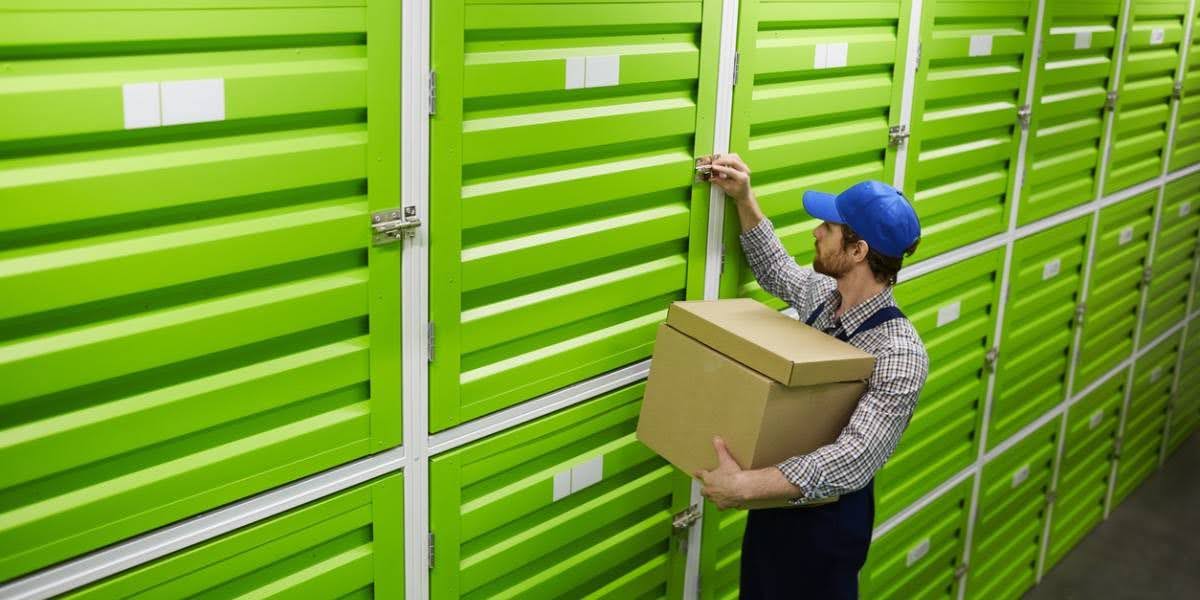
If you are planning a move and wondering can movers store your stuff, the answer is yes. Many moving companies offer storage along with packing and transportation. What matters more is how that storage works, how long you can use it, and whether it fits your situation.
Storage becomes important when your timeline is not simple. You may be waiting on a closing date, downsizing, or moving out of state. In these cases, working with one company that handles both moving and storage can make the process easier to manage.
At U & Me Moving and Storage, this approach has been part of the process for generations. Since 1923, the focus has been on helping families move forward with a clear plan and careful handling . That experience shows up most when storage is involved.
Let’s break down what you need to know.
Can Movers Store Your Stuff? What It Means for You
When people ask can movers store your stuff, they are usually asking if one company can handle the move and the storage together. In many cases, the answer is yes. A full-service moving company can often pack your belongings, move them to a secure storage facility, keep them there for a set amount of time, and deliver them when your new space is ready.
This can be very helpful when your move has more than one step. Maybe your closing date changed. Maybe your new home is still being renovated. Maybe you are downsizing and need more time to decide what to keep. In these situations, storage gives you room to make smart decisions without rushing.
A full-service moving and storage company can usually help with:
- Packing your belongings before the move
- Blanket-wrapping furniture for protection
- Creating a packing inventory so items can be tracked
- Transporting everything to a secure storage facility
- Storing items for short-term or long-term needs
- Delivering your belongings when you are ready
The biggest benefit is that your items stay within one process. You do not have to rent a truck, move items into a self-storage unit, unload them, reload them later, and move them again. Each extra step adds more work and more chances for damage. When movers handle storage as part of the move, your belongings are handled fewer times.
This is especially useful for fragile items, large furniture, antiques, artwork, and family keepsakes. These items often need more than a box and tape. They may need careful wrapping, padding, placement, and tracking. A moving crew that knows the storage process can prepare those items the right way from the beginning.
What Full-Service Moving and Storage Actually Includes
Full-service moving and storage does not mean every company offers the same thing. It means the mover can manage more than transportation alone.
Depending on the company, services may include:
- Full or partial packing
- Furniture disassembly and reassembly
- Protective wrapping for furniture
- Loading and unloading
- Short-term storage
- Long-term storage
- Climate-controlled storage
- Delivery from storage to your final location
Before choosing a mover, ask what is included in the storage service. Some companies store items in their own warehouse. Others work with a third-party facility. Some offer climate-controlled storage, while others use standard warehouse storage. These details matter because they affect access, protection, pricing, and scheduling.
You should also ask how your items are tracked. A professional mover should use an inventory system. This may include numbered stickers, written descriptions, or digital records. The goal is simple: every item that goes into storage should be accounted for when it comes out.
Why Storage Is Often Needed During a Move
Many moves do not happen in one clean step. Even a well-planned move can change quickly.
Common reasons people need storage include:
- The new home is not ready yet
- A closing date gets delayed
- A lease ends before the next one begins
- Renovations are taking longer than expected
- A family is downsizing and needs time to sort belongings
- Someone is moving out of state but does not have a final address yet
- A business is relocating and needs to store desks, files, or equipment
Storage is not only for people who have “too much stuff.” It is often a timing solution. It gives you a safe place for your belongings while the rest of the move catches up.
For example, a homeowner may sell their house before their condo is ready. Instead of moving everything twice, the mover can take the packed items into storage. Once the condo is available, the same company can schedule delivery. This keeps the process simpler and more organized.
How the Process Works
Storage should be part of the moving plan from the start. It should not feel like a last-minute fix.
Here is how the process usually works:
- The moving company reviews what needs to be moved and stored
- You decide which items are going to storage and which items are going with you
- The crew packs, wraps, and labels your belongings
- Each item or box is added to an inventory list
- Your belongings are loaded onto the moving truck
- The truck brings them to the storage facility
- Items are placed in storage based on size, type, and protection needs
- Delivery is scheduled when you are ready
This process helps keep everything organized from the first box to the final delivery.
Step 1: Decide What Should Go Into Storage
Before moving day, decide what will be stored and what you will need right away. This saves time and prevents confusion.
Items often placed in storage include:
- Extra furniture
- Seasonal décor
- Patio furniture
- China cabinets or dining sets
- Artwork and framed photos
- Boxes of books
- Office furniture
- Items for a future home
Items you may want to keep with you include:
- Medications
- Important documents
- Jewelry
- Daily clothing
- Phone chargers
- Toiletries
- Pet supplies
- Basic kitchen items
Think about your first week after the move. Anything you need during that time should stay with you or be packed in a clearly marked essentials box.
Step 2: Pack and Label Everything Clearly
Clear labeling matters when items are going into storage. It helps the movers place items properly and helps you know what is where later.
A good label should include:
- Room name
- General contents
- Fragile notice if needed
- Storage or delivery note
For example, a box may say “Kitchen: glassware, fragile, storage.” Another may say “Primary bedroom: linens, deliver first.” Simple labels like these help the crew make better decisions during loading and delivery.
If the movers are packing for you, they should label boxes as they go. If you pack yourself, label multiple sides of each box so the information is visible even when boxes are stacked.
Step 3: Create a Detailed Inventory
A packing inventory is one of the most important parts of moving company storage. It is the record of what was picked up and placed into storage.
An inventory may include:
- Box numbers
- Furniture pieces
- Item descriptions
- Condition notes
- Special handling notes
This is helpful if you need to request one item later. It is also helpful when your items are delivered because you can check the inventory against what arrives.
For larger moves, inventory is especially important. Without it, boxes can blend together. With it, the process is much easier to follow.
Step 4: Load Items With Storage in Mind
Loading a truck for storage is different from loading a truck for direct delivery.
When items are going straight to a new home, movers often load based on the order of unloading. When items are going into storage, they also think about long-term protection.
Movers may consider:
- Which items are fragile
- Which boxes can safely stack
- Which furniture needs extra padding
- Which items should not have weight placed on top
- Which pieces may need access later
This is why professional handling matters. Good storage begins before the items ever reach the warehouse.
Step 5: Store Items in a Secure Facility
Once items arrive at the storage facility, they are placed into the proper storage area. Some movers use large wooden vaults. Others use designated warehouse space. The setup depends on the company and the amount of storage needed.
A secure storage facility may include:
- Controlled access
- Fire protection systems
- Climate-controlled areas
- Organized storage sections
- Staff-managed item retrieval
Climate-controlled storage can be helpful in South Florida because heat and humidity can affect wood furniture, upholstery, artwork, photos, electronics, and paperwork. Not every item needs climate control, but many household goods benefit from a more stable environment.
Step 6: Schedule Delivery When You Are Ready
When your new home or office is ready, you contact the moving company to schedule delivery. The crew then retrieves your items from storage, loads them onto the truck, and brings them to your final location.
During delivery, movers can place boxes and furniture in the correct rooms based on your instructions. If furniture was disassembled, ask whether reassembly is included. This should be discussed before move day so there are no surprises.
Short-Term Storage: A Solution for Timing Gaps
Short-term storage is one of the main reasons people ask can movers store your stuff.
It helps when your move-out and move-in dates do not match.
When Short-Term Storage Makes Sense
You may need short-term storage if:
- Your home sale closes before your new home is ready
- Your lease ends before your next one begins
- You are traveling during your move
- You are waiting for repairs or renovations
In most cases, storage is needed for a few days or a few weeks.
What Short-Term Storage Looks Like
Your items are placed in a secure warehouse. They are usually stored in sealed containers or vaults.
You can expect:
- Careful stacking to prevent damage
- Climate-controlled space for sensitive items
- Limited handling while in storage
Access is not the same as a self-storage unit. You will need to schedule access if you need something. This helps keep everything organized.
Long-Term Storage: When Plans Take Longer
Long-term storage is used when your timeline is less certain.
It is common for people who are downsizing or relocating.
Situations That Require Long-Term Storage
You may need long-term storage if:
- You are moving into a smaller home
- You are relocating but have not found a permanent place
- You want to keep certain items for the future
- You are storing business equipment
In these cases, items may stay in storage for months or longer.
How Long Will Moving Companies Store Your Stuff
A common question is how long will moving companies store your stuff.
Most companies offer flexible options.
- Short-term storage can last days or weeks
- Long-term storage can last months or even years
- Many plans continue on a monthly basis
As long as your account is active, your items can remain stored until you are ready.
What Happens to Your Items in Storage
Understanding what happens behind the scenes can help answer the question can movers store your stuff in a practical way.
Packing and Protection
Before items go into storage, they are packed carefully:
- Furniture is wrapped with moving blankets
- Fragile items are packed one at a time
- Boxes are filled to prevent shifting
- Everything is labeled clearly
These steps help reduce damage during storage and transport.
Inventory and Organization
Every item is tracked. This is called a packing inventory.
It includes:
- Number of boxes
- Description of items
- Notes about condition when needed
This makes it easier to find items later if you need them.
Storage Conditions
Professional storage facilities are built to protect your belongings.
They often include:
- Climate control to manage heat and humidity
- Security systems to limit access
- Organized storage areas to keep items separated
This setup is very different from storing items in a garage or spare room.
Moving Company Storage vs Self-Storage
When deciding can movers store your stuff, it helps to compare it to renting your own storage unit.
Moving Company Storage
- Movers handle packing and transport
- Inventory tracking is included
- Storage is part of your move
- Access is scheduled
Self-Storage Units
- You handle everything yourself
- No built-in inventory system
- You can access your unit anytime
- More flexibility but more work
If your move is complex, using a moving company for storage can reduce the number of steps you need to manage.
What Affects Storage Costs
Cost is an important part of the decision.
Storage pricing depends on:
- How much you are storing
- How long items stay in storage
- The type of storage environment
- Extra services like packing or delivery
How Pricing Works
Most plans include:
- Moving and packing costs
- Monthly storage fees
- Delivery fees when items are removed
You are mainly paying for space and handling. More items and longer timelines increase the cost.
What Should You Put in Storage
Not everything needs to go into storage. It helps to plan ahead.
Good Items for Storage
- Furniture you plan to keep
- Seasonal items
- Sentimental belongings
- Extra business equipment
Items to Keep With You
- Important documents
- Daily essentials
- Frequently used items
- Perishable goods
If you will need something often, keep it with you instead of storing it.
How to Prepare for Storage
Even when movers handle most of the work, you can take a few steps to stay organized.
Before the Move
- Sort items into keep, store, or donate
- Set aside essentials
- Tell your mover about fragile items
During the Move
- Review your inventory list
- Ask how items will be stored
- Confirm how to request access
After Storage Begins
- Keep a copy of your inventory
- Update your mover if plans change
- Schedule delivery in advance
These steps help avoid confusion later.
Why Experience Matters
Storage may seem simple, but the details matter.
A company with years of experience knows:
- How to pack items for long periods
- How to organize storage systems
- How to manage delivery schedules
- How to handle delicate items
This is where experience can make a real difference in the outcome.
A Simple Example
Here is a common situation.
A homeowner sells their house faster than expected. Their new home is not ready yet.
Instead of rushing into a short-term rental, they use storage:
- Movers pack and transport everything
- Items are stored for a few months
- Delivery is scheduled when the home is ready
This avoids moving twice and keeps everything organized.
Frequently Asked Questions About Can Movers Store Your Stuff
Can movers store your stuff for a short period?
Yes, movers can store your items for a few days or weeks. Short-term storage is common and works well when your move dates do not match.
How long will moving companies store your stuff if plans change?
Storage can often be extended. Many companies offer flexible timelines, so your items can stay stored as long as needed.
Is storage safe for furniture?
Furniture is usually wrapped and stored in controlled conditions. This helps protect it from damage over time.
Can movers store your stuff and deliver part of it later?
Yes, you can request certain items if they are listed in your inventory. This allows partial delivery.
Do I need coverage for stored items?
Most movers offer valuation coverage. This provides protection while your items are in storage.
Can movers store your stuff during a long-distance move?
Yes, storage is often part of long-distance moves. Items may be stored until your new home is ready.
What You Should Remember
If you are asking can movers store your stuff, the answer is yes, but the process matters.
Here are the key points:
- Storage can be part of your move from the start
- Inventory systems keep everything organized
- Climate control helps protect your items
- Flexible timelines allow you to adjust your plans
Understanding these details helps you choose the right option.
Ready to Plan Your Move and Storage?
If you are planning a move and need storage, working with one company for both can simplify the process.
Whether you need storage for a few days or several months, having a clear plan makes a difference.
If you want to learn more or explore your options, contact us for more information or visit our storage service page to get started.